
How Salesforce Data Cloud Powers Client 360 View

How Salesforce Data Cloud Powers Client 360 View

In a data‑driven world, businesses need a strong way to manage and unify customer information. As a result, Salesforce Data Cloud enables a true Client 360 view by integrating and processing customer data in real time. This overview explains how it helps companies understand customers better and deliver personalized experiences.


What Is Salesforce Data Cloud?

Salesforce Data Cloud is a real‑time platform that connects and harmonizes customer data from multiple sources. It brings together structured and unstructured information from CRM systems, marketing tools, e‑commerce platforms, and external sources to create a single, dynamic customer profile. By leveraging AI and automation, it helps businesses gain deeper insights and make smarter decisions.

How Salesforce Data Cloud Enhances Client 360 View

Unified Customer Profiles

Data Cloud consolidates data from all touchpoints, removing silos and giving sales, marketing, service, and commerce teams access to one accurate customer view. This means companies can deliver consistent and personalized interactions.

Real-Time Data Processing

Customer information updates instantly, allowing businesses to respond quickly to customer actions and preferences. Because of this, businesses can respond quickly to customer actions and preferences, improving engagement and satisfaction.

AI-Driven Insights and Personalization

Built‑in AI analyzes customer data to generate predictive insights. For example, companies can anticipate needs, recommend relevant products, and automate workflows.

Seamless Salesforce Integration

Data Cloud integrates smoothly with Sales Cloud, Service Cloud, Marketing Cloud, and Commerce Cloud. As a result, all teams work with up‑to‑date data, improving collaboration and decision‑making.

Improved Customer Engagement

Real‑time insights enable targeted campaigns, better service responses, and stronger sales strategies. In other words, businesses can reach customers at the right moment with the right message.

Scalability and Security

Data Cloud handles large data volumes while maintaining strong security and compliance standards, allowing businesses to scale confidently. Therefore, companies can scale confidently.

Conclusion

Salesforce Data Cloud is a powerful tool for achieving a true Client 360 view. By unifying data and enabling real‑time insights, it helps organizations deliver more personalized and efficient customer experiences. Overall, Data Cloud provides a clear competitive advantage as customer expectations rise.

If your business wants to unlock the full value of customer data, Salesforce Data Cloud offers the intelligence and tools to turn insights into action.


The Power of Client 360: Why Businesses Need It and How Salesforce Makes It Possible

Why Businesses Need a Client 360 View and How Salesforce Supports It

In today’s fast-paced business environment, understanding customers holistically is more crucial than ever. Companies that adopt a Client 360 view can unlock a comprehensive understanding of their customers, leading to enhanced engagement, improved customer service, and increased sales. But what exactly is a Client 360 view, and how does Salesforce support it?

What Is a Client 360 View?

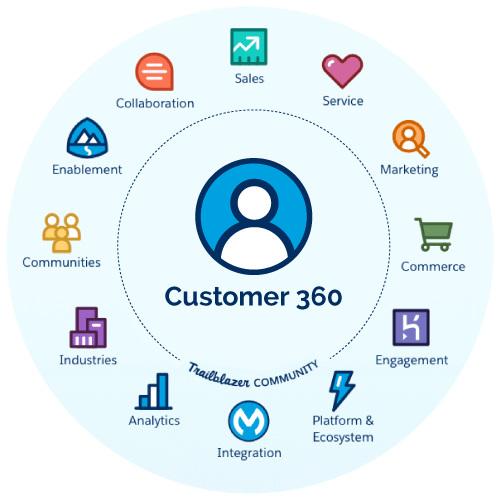
A Client 360 view is a unified, data-driven perspective of a customer that consolidates interactions, preferences, purchase history, support inquiries, and more. By aggregating data from various touchpoints, businesses can gain deep insights into customer behavior, personalize interactions, and make data-driven decisions.

A Client 360 approach ensures that every department—sales, marketing, customer service, and operations—has access to the same up-to-date customer data. This eliminates data silos and enhances collaboration, resulting in a seamless customer experience.

Why Is a Client 360 View Important?

  1. Enhanced Customer Experience: Businesses can tailor their interactions and provide personalized recommendations, fostering stronger relationships.
  2. Informed Decision-Making: Access to complete customer data enables companies to anticipate needs, identify trends, and optimize strategies.
  3. Improved Customer Support: Agents can resolve issues faster and more effectively when they have a complete history of customer interactions.
  4. Higher Sales and Retention: Personalized engagement and targeted marketing lead to improved conversion rates and long-term customer loyalty.
  5. Elimination of Data Silos: Departments can collaborate more efficiently, ensuring a consistent customer experience across all touchpoints.

How Salesforce Supports Client 360 View

Salesforce is a leader in customer relationship management (CRM) and provides an integrated ecosystem that supports a holistic Client 360 view. Here’s how:

  1. Salesforce Customer 360 Platform: Salesforce unifies customer data from sales, service, marketing, and commerce, creating a single source of truth.
  2. Sales Cloud: Provides sales teams with real-time customer insights, including past interactions and deal history, allowing for more personalized sales outreach.
  3. Service Cloud: Enables customer service representatives to access a comprehensive view of customer cases, previous support requests, and communication history, ensuring faster resolutions.
  4. Marketing Cloud: Helps businesses create personalized marketing campaigns based on customer preferences, behavior, and engagement history.
  5. Data Cloud for Salesforce: Leverages AI and real-time data integration to enhance decision-making and provide predictive insights.
  6. AI and Automation: Tools like Salesforce Einstein AI analyze customer data, predict behaviors, and automate workflows for more efficient engagement.

Conclusion

A Client 360 view is no longer a luxury—it’s a necessity for businesses striving to deliver exceptional customer experiences. With Salesforce’s comprehensive suite of tools, organizations can integrate, analyze, and act on customer data more effectively than ever before. By leveraging Salesforce Customer 360, businesses can build stronger relationships, drive sales, and stay ahead in today’s competitive market.

If your company is looking to implement a Client 360 approach, Salesforce provides the perfect platform to centralize and optimize your customer insights. Investing in this strategy today can yield long-term benefits, ensuring sustainable growth and customer satisfaction.

Salesforce NetZero Cloud: Driving ESG Transformation

Introduction

As businesses increasingly prioritize sustainability, Environmental, Social, and Governance (ESG) initiatives have become crucial to corporate strategy. Companies are seeking efficient ways to track and reduce their environmental footprint, and Salesforce’s NetZero Cloud is emerging as a leading solution. Designed to help organizations measure, manage, and report on their carbon footprint, NetZero Cloud plays a vital role in ESG reporting and compliance.

Understanding Salesforce NetZero Cloud

Salesforce NetZero Cloud is an enterprise sustainability management platform that enables companies to track their carbon emissions, energy usage, and other sustainability metrics in real time. By leveraging the power of cloud computing and AI, NetZero Cloud allows organizations to make data-driven decisions to reduce their environmental impact.

Key Features of NetZero Cloud:

  1. Carbon Accounting & Emissions Tracking – Accurately measure Scope 1, Scope 2, and Scope 3 emissions to align with global reporting standards such as the Greenhouse Gas (GHG) Protocol.
  2. Regulatory Compliance & ESG Reporting – Generate reports compliant with frameworks such as CDP, TCFD, and the SEC’s climate disclosure requirements.
  3. Energy & Waste Management – Monitor energy consumption, waste reduction efforts, and sustainability initiatives.
  4. AI & Data Visualization – Use AI-driven analytics to uncover insights and drive sustainability strategies.
  5. Supplier Sustainability Tracking – Assess and manage the sustainability efforts of suppliers, ensuring alignment with ESG goals.

How NetZero Cloud Supports ESG Goals

Environmental (E)

Salesforce NetZero Cloud directly supports the environmental aspect of ESG by providing a structured and efficient way to manage carbon footprints, reduce waste, and optimize energy consumption. Businesses can set science-based targets to reach net-zero emissions, making their sustainability goals more tangible and actionable.

Social (S)

Beyond environmental impact, NetZero Cloud also contributes to the social aspect of ESG by promoting responsible business practices. Companies can use the platform to track their impact on local communities, monitor supply chain ethics, and ensure fair labor practices.

Governance (G)

Corporate governance is strengthened through NetZero Cloud’s robust compliance and reporting tools. With automated ESG reporting, companies can improve transparency, reduce the risk of greenwashing, and adhere to regulatory standards. The platform also facilitates audit-ready data, ensuring accurate and verifiable ESG disclosures.

The Future of ESG with Salesforce NetZero Cloud

As global regulations tighten around ESG reporting, businesses need innovative solutions to meet compliance standards and achieve sustainability objectives. Salesforce NetZero Cloud provides the technological foundation to not only track sustainability progress but also drive real change. By integrating sustainability into business operations, companies can achieve long-term resilience while contributing to a greener planet.

Conclusion

Salesforce NetZero Cloud is more than just a carbon accounting tool—it’s a powerful enabler of ESG transformation. Organizations leveraging this platform can make informed sustainability decisions, meet regulatory requirements, and enhance their reputation as responsible corporate citizens. As ESG priorities continue to evolve, tools like NetZero Cloud will be essential in building a more sustainable and accountable future.


Environmental, Social, and Governance (ESG) Implementation Guide

Key Considerations for ESG Implementation

  1. Materiality Assessment: Identify the ESG issues most relevant to your business and stakeholders. Understand the environmental, social, and governance factors impacting your company’s performance and reputation.
  2. Regulatory Compliance: Stay updated with local and international ESG regulations to avoid legal risks and align with industry standards.
  3. Stakeholder Engagement: Engage with stakeholders, including investors, employees, customers, suppliers, and the community, to understand their expectations and concerns.
  4. Integration into Business Strategy: Integrate ESG into your core business strategy to ensure ESG goals align with overall business objectives.

Key Metrics for ESG

Environmental Metrics:

  • Carbon Footprint: Measure greenhouse gas emissions and set reduction targets.
  • Energy Consumption: Track energy use and efficiency improvements.
  • Waste Management: Monitor waste generation and recycling rates.

Social Metrics:

  • Employee Diversity and Inclusion: Track diversity in hiring, promotions, and retention.
  • Community Engagement: Measure the impact of community programs and initiatives.
  • Health and Safety: Monitor workplace incidents and safety training.

Governance Metrics:

  • Board Diversity: Ensure a diverse and inclusive board of directors.
  • Ethical Practices: Track adherence to ethical guidelines and anti-corruption policies.
  • Transparency: Measure the quality and frequency of ESG reporting.

Main Stakeholders in ESG

  • Investors: Seek companies with strong ESG practices for long-term resilience and sustainability.
  • Employees: A robust ESG strategy can improve morale, attract talent, and reduce turnover.
  • Customers: Consumers prefer companies committed to ESG principles.
  • Suppliers: Engage suppliers in your ESG strategy to ensure sustainable practices across the supply chain.
  • Community: Local communities are directly impacted by your operations and can advocate for or against your company based on ESG performance.

Processes for ESG Implementation

  1. Conduct a Materiality Assessment: Identify and prioritize the ESG issues that matter most to your business and stakeholders.
  2. Set Objectives and Goals: Define clear, measurable ESG goals aligned with your business strategy.
  3. Develop a Strategic ESG Roadmap: Create a detailed plan outlining the steps needed to achieve your ESG goals.
  4. Implement Action Plans: Execute the strategies and initiatives outlined in your roadmap.
  5. Measure and Report Progress: Regularly track your performance against ESG metrics and report progress to stakeholders.
  6. Continuous Improvement: Use feedback and performance data to continuously refine and improve your ESG strategies.

Implementing ESG is a dynamic and ongoing process that requires commitment and collaboration across the organization. By focusing on key considerations, metrics, stakeholders, and processes, companies can build a robust ESG strategy that drives sustainable growth and meets stakeholder expectations.

Five Technology Building Blocks to Power Customer-Centric, Data-Driven Growth

Customer-centric tech stack isn’t just about tools—it’s about aligning technology with customer needs and creating meaningful experiences. By focusing on these building blocks, organizations can drive growth and build lasting customer relationships.

In today’s business landscape, unlocking the value from data has become more accessible, less expensive, and increasingly relevant across industries. When executed well, personalization at scale becomes a reality. Organizations are leveraging customer triggers to optimize the timing, content, offer, and design of every customer experience. Here are the key technology building blocks that drive customer-centric growth:

  1. Data: Data is the foundation. Organizations need to collect, integrate, and analyze data from various sources. This includes customer interactions, behavior, preferences, and transactional data. A robust data strategy ensures a 360-degree view of customers.
  2. Decisioning: Effective decision-making relies on real-time insights. Organizations should invest in decisioning engines that use data to drive personalized recommendations, offers, and actions. These engines enable dynamic adjustments based on customer context.
  3. Design: Customer experience design matters. Organizations must create seamless, intuitive interfaces across channels. Design thinking principles help align technology solutions with customer needs and expectations.
  4. Distribution: Reach customers where they are. Distribution channels include websites, mobile apps, social media, and more. Organizations should optimize their tech stack to deliver consistent experiences across these channels.
  5. Measurement: Metrics matter. Organizations need to measure the impact of their tech stack on customer engagement, conversion rates, and overall business outcomes. Regularly assess performance and iterate based on data-driven insights.

Remember, a customer-centric tech stack isn’t just about tools—it’s about aligning technology with customer needs and creating meaningful experiences. By focusing on these building blocks, organizations can drive growth and build lasting customer relationships.

How Sales Management is Handled within Sales Cloud?

Sales Cloud is Salesforce’s powerful CRM platform is designed specifically for sales teams.

How sales management is handled within Sales Cloud, Salesforce’s powerful CRM platform designed specifically for sales teams. Sales Cloud provides a comprehensive suite of tools and features to streamline sales processes, enhance productivity, and drive revenue growth. Here are the key aspects of sales management in Sales Cloud:

1. Lead Management:

  • Lead Capture: Sales Cloud allows you to capture leads from various sources, such as web forms, social media, and email campaigns.
  • Lead Scoring: Assign scores to leads based on their potential, behavior, and fit with your ideal customer profile.
  • Lead Assignment: Automatically route leads to the right sales reps based on predefined rules or territories.

2. Opportunity Management:

  • Pipeline Tracking: Manage opportunities through the sales pipeline. Sales Cloud provides a visual representation of deals at different stages.
  • Deal Insights: Leverage AI-powered insights to understand deal health, identify risks, and prioritize follow-ups.
  • Sales Forecasting: Accurately forecast revenues by analyzing historical data and current pipeline1.

3. Account Management:

  • 360-Degree View: Sales Cloud consolidates account information, including contacts, interactions, and historical data.
  • Account-Based Selling: Tailor your approach based on the specific needs of each account.
  • Account Planning: Collaborate with your team to create account strategies and action plans.

4. Territory Management:

  • Territory Definition: Define territories based on geography, industry, or other criteria.
  • Territory Assignment: Assign accounts and opportunities to sales reps based on their territories.
  • Balancing Workloads: Ensure equitable distribution of accounts and opportunities among team members.

5. Sales Process Automation:

  • Workflow Rules: Automate repetitive tasks, approvals, and notifications.
  • Process Builder: Create custom processes with drag-and-drop simplicity.
  • Approval Processes: Define approval workflows for pricing, discounts, and contract approvals.

6. Quoting and Contracting:

  • Quote Generation: Create professional quotes directly within Sales Cloud.
  • Contract Management: Track contract lifecycles, renewals, and amendments.
  • E-Signatures: Integrate with e-signature solutions for seamless contract execution.

7. Reporting and Dashboards:

  • Custom Reports: Build reports to analyze sales performance, pipeline health, and conversion rates.
  • Dashboards: Visualize data with real-time dashboards for quick insights.
  • Forecast Reports: Monitor sales forecasts and adjust strategies as needed.

8. Collaboration and Mobility:

  • Chatter: Sales Cloud’s collaboration tool allows sales reps to communicate, share updates, and collaborate within the platform.
  • Mobile App: Access Sales Cloud on the go via the mobile app for real-time updates and responsiveness.

In summary, Sales Cloud empowers sales teams to manage leads, opportunities, accounts, and territories effectively. By leveraging automation, insights, and collaboration features, organizations can optimize their sales processes and achieve sustainable growth

What Is Sales Management?

Read about the very basic elements of sales management.

Sales management involves developing effective strategies, organizing sales efforts, and implementing techniques to achieve a company’s sales goals. It’s the backbone of revenue growth and customer acquisition. Here are the key components:

  1. Managing the People:
    • A skilled sales manager guides the sales team, motivating and mentoring them.
    • Responsibilities include setting sales goals, onboarding new hires, and overall team management.
    • Customer relationship management (CRM) and pipeline management are essential tasks.
  2. Managing the Process:
    • A well-structured sales process runs smoothly with minimal intervention.
    • Define workflows, optimize data, and ensure consistency in sales activities.
    • Effective processes lead to better results and streamlined operations.
  3. Managing the Numbers:
    • Metrics matter! Track key performance indicators (KPIs) such as conversion rates, deal velocity, and revenue.
    • Regularly analyze data to identify trends, bottlenecks, and areas for improvement.
  4. Setting the Sales Strategy:
    • Develop a clear strategy aligned with business objectives.
    • Consider market positioning, target audience, and competitive landscape.
    • Adapt the strategy as needed to stay agile and responsive.

The Role of a Sales Manager

A successful sales manager wears many hats:

  1. Goal Setter: Define sales goals and quotas for the team.
  2. Motivator and Mentor: Inspire and guide salespeople to achieve their best.
  3. Planner: Create sales plans, workflows, and training programs.
  4. Team Builder: Recruit, onboard, and develop new hires.
  5. Collaborator: Coordinate with marketing and sales enablement teams.
  6. Data Analyst: Monitor performance, analyze trends, and make informed decisions.

Why Is Sales Management Essential?

Effective sales management drives revenue growth, enhances customer relationships, and ensures a competitive edge. It’s the bridge between strategy and execution. By aligning people, processes, and data, businesses can thrive in today’s dynamic marketplace.

Remember, sales management isn’t just about hitting targets—it’s about building a resilient, customer-centric sales force that consistently delivers results.

Sales and Marketing Alignment: A Tailored Approach for Every Business

Sales and marketing alignment is not a one-size-fits-all solution. While the concept remains consistent across industries, the implementation varies based on the unique characteristics of each business.

Sales and marketing alignment is not a one-size-fits-all solution. While the concept remains consistent across industries, the implementation varies based on the unique characteristics of each business. Let’s explore why alignment is essential and how businesses can tailor their approach to achieve optimal results.

Why Sales and Marketing Alignment Matters

Sales and marketing alignment is the process that enables sales and marketing teams to collaborate and work strategically on common business goals. It helps teams deliver effective and result-oriented marketing campaigns, increases the number of qualified leads, boosts sales, and ultimately drives revenue. However, achieving alignment is not a cookie-cutter process; it requires thoughtful consideration of the following factors:

1. Business Size and Structure

  • Small Businesses: In smaller organizations, sales and marketing teams often wear multiple hats. Alignment here involves close communication, shared objectives, and a flexible approach. The focus is on agility and adaptability to market changes.
  • Mid-Sized Businesses: As businesses grow, roles become more defined. Alignment requires clear delineation of responsibilities, streamlined processes, and regular cross-functional meetings. Mid-sized companies benefit from a mix of centralized and decentralized strategies.
  • Enterprise-Level Businesses: Large enterprises have complex structures. Alignment involves creating specialized teams, leveraging technology, and implementing robust reporting mechanisms. Here, alignment extends beyond sales and marketing to other departments like customer service and product development.

2. Industry and Market Dynamics

  • B2B vs. B2C: Business-to-business (B2B) companies focus on building long-term relationships. Their alignment emphasizes lead nurturing, account-based marketing, and personalized communication. Business-to-consumer (B2C) companies, on the other hand, prioritize mass marketing, brand awareness, and rapid lead conversion.
  • Industry Verticals: Alignment strategies differ across industries. For example:
    • Technology: Tech companies often rely on content marketing, webinars, and thought leadership. Alignment involves integrating these efforts with sales demos and product trials.
    • Healthcare: Healthcare organizations focus on trust-building. Alignment includes coordinated patient education, physician outreach, and seamless appointment scheduling.

3. Buyer’s Journey Complexity

  • Complex Sales Cycles: Some businesses deal with intricate sales cycles, such as enterprise software or high-value services. Alignment requires mapping out touchpoints, understanding decision-makers, and providing tailored content at each stage.
  • Transactional Sales: Retail or e-commerce businesses have shorter sales cycles. Alignment centers around optimizing online channels, retargeting, and ensuring a smooth checkout process.

4. Technology Stack and Tools

  • CRM and Marketing Automation: Leveraging tools like Salesforce is crucial. Alignment involves integrating these platforms, sharing data, and automating lead handoffs.
  • Analytics and Reporting: Businesses must track key performance indicators (KPIs) collaboratively. Alignment means aligning metrics, analyzing trends, and adjusting strategies accordingly.

5. Cultural Alignment

  • Shared Values: Alignment goes beyond processes—it’s about shared values. Businesses must foster a culture of collaboration, open communication, and mutual respect.
  • Leadership Buy-In: Alignment starts at the top. Leaders must champion collaboration, allocate resources, and encourage cross-functional initiatives.

Conclusion

Sales and marketing alignment is not a static achievement; it’s an ongoing journey. Businesses must assess their unique context, adapt strategies, and continuously refine their approach. Remember, what works for one business may not work for another. By customizing alignment efforts, businesses can unlock growth, enhance customer experiences, and stay ahead in today’s competitive landscape. 🚀

The Importance of Sales and Marketing Alignment

Sales and marketing alignment involves collaboration between sales and marketing teams within a business to achieve common goals.

What Is Sales and Marketing Alignment?

Sales and marketing alignment, often referred to as “smarketing,” involves collaboration between sales and marketing teams within a business to achieve common goals. It goes beyond mere cooperation; it’s about unified communication and mutual support. When these two functions work together seamlessly, they create cohesive and customer-centered strategies that drive revenue growth and enhance the overall customer experience.

Consequences of Misalignment

When sales and marketing operate as separate silos, several issues arise:

  1. Wasted Resources: Independent teams may waste time, materials, and budget. If sales disqualify a large percentage of marketing qualified leads (MQLs), it indicates misalignment. Conversely, underutilized marketing collateral or low target market engagement rates also signal a problem. Effective campaigns should incorporate feedback from the sales team to create conversion-driven marketing strategies.
  2. Erosion of Consumer Trust: Inconsistent messaging due to misalignment can erode consumer trust. Differing promotional copy, blog posts, product descriptions, and sales pitches negatively impact the overall customer experience.

Benefits of Sales and Marketing Alignment

  1. Better Understanding of Target Audiences: Utilizing sales and marketing data when creating buyer personas ensures a more accurate picture of the person or business likely to purchase your product1.
  2. Improved Customer Experience: When sales and marketing collaborate, the customer journey becomes seamless. Consistent messaging and aligned strategies enhance the overall experience for potential buyers.
  3. Revenue-Aligned Strategy: Smarketing ensures that both teams work toward revenue growth. By sharing goals and KPIs, they create a unified approach that maximizes results.
  4. Better Lead Generation: When sales and marketing are in sync, lead generation becomes more effective. Marketing campaigns informed by sales feedback yield better results.
  5. Increased Revenue: Brands that align sales and marketing see tangible benefits. For example, Superoffice experienced a 34% increase in revenue following alignment.
  6. Staying Ahead of the Competition: In today’s competitive landscape, alignment is essential. Brands that fail to align their sales and marketing teams struggle to remain competitive in a rapidly changing business environment.

How to Align Sales and Marketing Teams

Implementing alignment requires strategic steps:

  1. Open Communication: Foster regular communication between sales and marketing teams. Encourage feedback and collaboration.
  2. Shared Goals and KPIs: Ensure both teams have common objectives. Align their key performance indicators (KPIs) to measure success.
  3. Feedback Loop: Create a feedback loop where sales insights inform marketing campaigns and vice versa.
  4. Technology Integration: Leverage tools like CRM systems to facilitate data sharing and streamline processes.

Remember, sales and marketing alignment isn’t just a nice-to-have; it’s a critical driver of business success. CEOs who prioritize alignment empower their teams to work harmoniously, resulting in improved efficiency, better lead conversion rates, and ultimately, growth. So, if you’re a CEO, consider smarketing as a strategic imperative for your organization! 🚀

Enhancing Digital Marketing with Salesforce

Successful digital marketing involves a holistic approach that integrates various tools and platforms. Salesforce provides a suite of solutions to help you achieve your marketing goals effectively

Enhancing Digital Marketing with Salesforce

In the quest for a cohesive digital marketing strategy, Salesforce emerges as a powerful ally. Salesforce Marketing Cloud (SFMC) is a comprehensive digital marketing platform that automates and streamlines marketing efforts across various channels, including email, social media, mobile apps, SMS, and websites. Here’s how Salesforce can help address the pitfalls of fragmented digital marketing:

Unified Customer View

Salesforce Marketing Cloud provides a 360-degree view of the customer, consolidating data from multiple touchpoints into a single, comprehensive customer profile. This enables marketers to create more personalized and consistent messaging across all channels.

Automation at Scale

With SFMC, businesses can automate marketing messages and segment them at scale, ensuring that the right message reaches the right customer at the right time. Automation also helps in reengaging customers who may have abandoned an online shopping cart.

Predictive Analytics

Salesforce’s robust analytics tools allow marketers to predict the best outcomes for their customers. By leveraging artificial intelligence and machine learning, SFMC can make targeted content recommendations, enhancing the relevance and effectiveness of marketing campaigns.

Cross-Channel Campaign Management

The platform’s Journey Builder feature enables marketers to visually map out campaign automation, bringing multiple channels into one view. This ensures that all marketing efforts are aligned and working towards the same objectives.

Targeted Advertising

Salesforce Marketing Cloud includes features for targeted online advertising, helping businesses find lookalike audiences that behave like their current high-value customers. This maximizes the impact of advertising spend by focusing on prospects most likely to convert.

Content Creation and Management

With tools like Email Studio, businesses can create and manage content seamlessly. This includes emails, landing page templates, forms, images, and coupons, all of which contribute to a cohesive brand experience.

Real-Time Engagement and Analytics

Salesforce provides real-time engagement tools and rich analytics, allowing businesses to monitor and adjust their marketing strategies promptly. This agility is crucial in the fast-paced digital marketing environment.

By integrating Salesforce Marketing Cloud into their digital marketing strategy, businesses can overcome the challenges of fragmentation. Salesforce empowers organizations to deliver a seamless, efficient, and highly personalized customer experience, ultimately driving growth and customer loyalty.